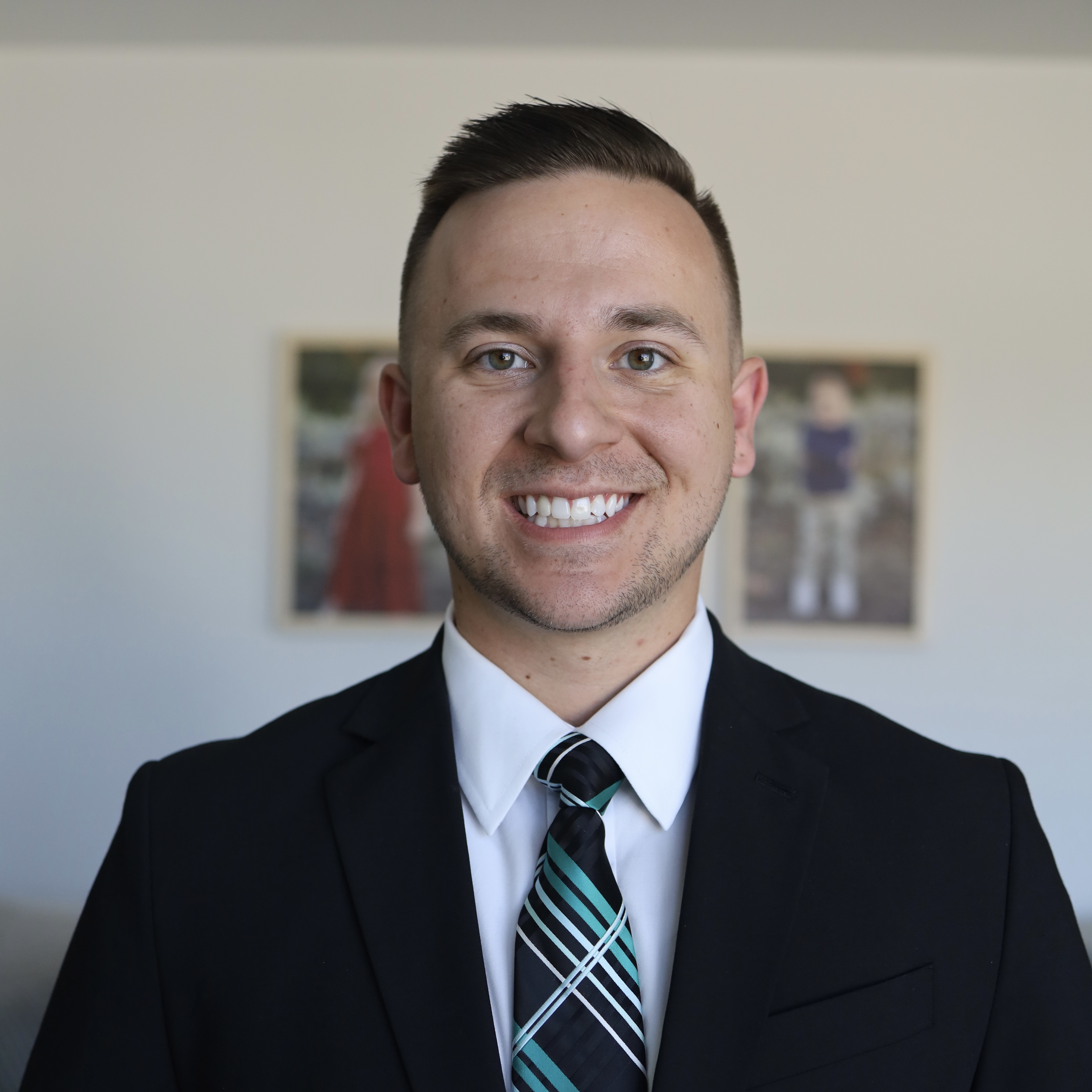

How Loan Officers Build A Mortgage Business Through Relationships, Service, And Personal Touch
Starting a mortgage career can feel overwhelming.
You need clients.
You need Realtor relationships.
You need to learn the business.
You need to build a reputation.
And somehow, you also need to figure out how to market yourself.
For Brad Boswell, becoming a loan officer was a natural progression from more than a decade in banking. After spending years working with home equity loans, home equity lines of credit, and referring mortgage business to loan officers, Brad realized he was already doing much of the work.
He decided it was time to get licensed himself.
Now, as a loan officer with Guild Mortgage, Brad is building his business around a combination of in-person relationships, consistent communication, social media, and thoughtful follow-up.
His approach offers some valuable lessons for newer loan officers trying to establish themselves in today's mortgage market.
Sometimes Your Previous Career Is Preparing You For Mortgage
Brad spent more than 10 years in banking before becoming a loan officer.
During that time, he worked extensively with lending products and regularly referred mortgage opportunities to loan officers.
Eventually, he realized something:
He enjoyed the business and understood many parts of the process already.
Becoming a loan officer would allow him to take more ownership over the process while also giving him something he valued highly:
Flexibility.
As a father of two young children, Brad wanted more control over his schedule.
He gave the example of being able to spend a weekend at Bear Lake with his family while still having the ability to work from the beach when necessary.
For him, becoming a loan officer was not just a career move.
It was a lifestyle decision.
Cold Calling Can Get You Started, But It May Not Be Sustainable
When Brad first became licensed, he took the traditional approach.
He started calling Realtors.
Then he called more Realtors.
And then he called even more Realtors.
The strategy worked to some degree, but he quickly realized that spending all day making cold calls was not sustainable for him.
That led him to something he believes works much better:
Building relationships in person.
Brad found that Realtors are much more likely to refer business when they actually know the person they are referring.
And that makes sense.
When a Realtor sends a client to a loan officer, the loan officer becomes a reflection of the Realtor.
If the experience goes badly, the Realtor's reputation can be affected too.
That means Realtors need to know:
• Who you are
• How you communicate
• How you treat clients
• Whether you are reliable
• Whether you will make them look good
Trust has to come before the referral.
Realtors Are Putting Their Reputation On The Line
One of the most important points Brad made was that a Realtor is not simply handing a client a phone number.
They are making a recommendation.
That recommendation reflects on them.
If the loan officer is difficult to communicate with, misses appointments, or provides a poor experience, the Realtor may have to deal with the consequences.
Brad experienced this perspective from the consumer side as well.
He shared an example of working with a buyer's agent who referred him to a loan officer who showed up late to their call without communicating.
That experience immediately created frustration.
The lesson for loan officers is simple:
Every referral is an opportunity to strengthen or weaken the relationship that sent it to you.
Communication Does Not Mean Being Available 24/7
Brad has developed an interesting philosophy around communication.
He believes loan officers should be responsive without necessarily being available for an hour-long phone call at every moment of the day.
If a client or Realtor reaches out while he is busy, he can send a simple text:
"I’m tied up right now. I'll get back to you soon."
That small message can make a huge difference.
The person knows:
• You saw their message
• You are not ignoring them
• You value their time
• You intend to follow up
Being responsive does not mean you have to sacrifice your entire personal life.
It means communicating clearly.
Your Clients Should Know They Can Reach You
Brad tells his clients and Realtor partners that they can reach out to him at any time.
That does not mean he promises an immediate phone call every time.
Instead, he makes sure they know he will respond.
His philosophy is that being available for a quick response can go a long way toward building trust.
Mortgage transactions can be stressful.
People have questions.
Deals can change quickly.
Clients want to know someone is paying attention.
Sometimes a 10-second text is enough to provide that reassurance.
Social Media Is About Staying Relevant
Brad is also using social media to build his personal brand.
But he is not expecting to go viral.
He compared going viral to winning the lottery.
Instead, his goal is much more practical:
Stay relevant with the people who already know him.
He wants the friends and connections he has accumulated over the years to know that he is now a mortgage professional.
That matters because people cannot refer you for something they do not know you do.
If someone has been friends with you since sixth grade but has no idea you are a loan officer, they are unlikely to think of you when someone asks for a mortgage recommendation.
Social media solves that problem.
Your Personal Content Should Not Always Be About Mortgages
Brad also makes an important distinction with his social media strategy.
Not everything needs to be about lending.
Posting mortgage education is valuable, but constantly posting technical mortgage information can make your content difficult for the average person to connect with.
Brad believes people need to see the person behind the profession.
That means sharing:
• Your family
• Your interests
• Your personality
• Your hobbies
• Your everyday life
• Your mortgage knowledge
People want to know who they are potentially going to work with.
Your personality can be part of your competitive advantage.
Client Communication Should Continue After Closing
Brad's strategy does not end when the loan closes.
His team uses technology and personal outreach to continue communicating with past clients.
One example is using BombBomb to send personalized video messages.
These can include:
• Birthday messages
• Home anniversary messages
• Personal thank-you videos
• Other relationship-focused communications
That personal touch can make a major difference.
A generic automated email may technically check a box.
A personalized video shows that someone actually took the time to communicate with you.
Personal Touch Beats Another Automated Email
This is especially important because borrowers receive countless automated emails.
Birthday emails.
Holiday emails.
Marketing emails.
Promotional emails.
After a while, they all start to look the same.
A personalized video is different.
The client gets to see your face and hear your voice.
They are reminded that there is an actual person behind the mortgage transaction.
That helps reinforce the relationship long after closing.
Client Appreciation Events Create More Opportunities
Brad's team also uses client appreciation events as another way to stay connected.
One example was a large movie event where they rented out multiple theater showings and invited:
• Past clients
• Current clients
• Realtor partners
The event filled both theaters.
But the value of an event like that goes beyond the event itself.
It gives you another reason to communicate with people.
You are not calling simply to ask for business.
You are creating an experience.
You are showing appreciation.
You are strengthening relationships.
And you are giving Realtors and past clients another opportunity to interact with you.
The Right Systems Make Personal Relationships Easier
Brad also has an operations manager who helps his team stay organized.
That support allows him to focus more on relationships while making sure communication does not fall through the cracks.
His team sends regular updates to:
• Borrowers
• Listing agents
• Buyer's agents
The goal is to keep everyone informed.
Nobody should have to wonder:
"What's happening with the loan?"
And Realtors should not have to chase the loan officer for updates.
Good systems allow the loan officer to provide a better experience without manually managing every single communication.
Find A Mentor Who Is Already Where You Want To Be
When asked about mentorship, Brad pointed to his branch manager, Jason Hassel.
Brad described Jason as someone who has built an extremely successful mortgage business and continues to share his knowledge.
One thing Brad appreciates is that Jason's content is:
• Informative
• Personal
• Relatable
• Simple
That is an important lesson for newer loan officers.
You do not need to figure everything out yourself.
Find someone who is already successful and study what they are doing.
Ask questions.
Pay attention to their systems.
Learn from their mistakes.
And look for someone who is willing to be an open book.
Learn How To Have Better Conversations
Brad also recommended Exactly What to Say, which his team reads during weekly sales meetings.
The idea is not to memorize scripts.
It is about learning how to ask better questions and have better conversations.
Instead of asking questions that create simple yes or no answers, learn how to ask questions that get people thinking.
For loan officers, that skill can improve conversations with:
• Borrowers
• Realtors
• Past clients
• Referral partners
• Prospects
Better conversations lead to better relationships.
The Biggest Lesson For New Loan Officers
Brad's approach is a great example of how newer loan officers can build a business without relying on one single marketing strategy.
His strategy combines:
• In-person Realtor relationships
• Consistent communication
• Personal social media content
• Personalized video messages
• Client appreciation events
• Strong operational systems
• Mentorship
• Better sales conversations
None of these strategies are particularly complicated.
The advantage comes from doing them consistently.
Because at the end of the day, mortgage is still a relationship business.
Technology can make communication easier.
Social media can help you stay visible.
Automation can help you stay organized.
But people still want to work with someone they know, trust, and enjoy working with.
Be responsive. Be memorable. Be helpful. And most importantly, give people a reason to trust you with the clients they care about.
That is how a new loan officer can start turning individual conversations into long-term relationships and eventually build a mortgage business that lasts.